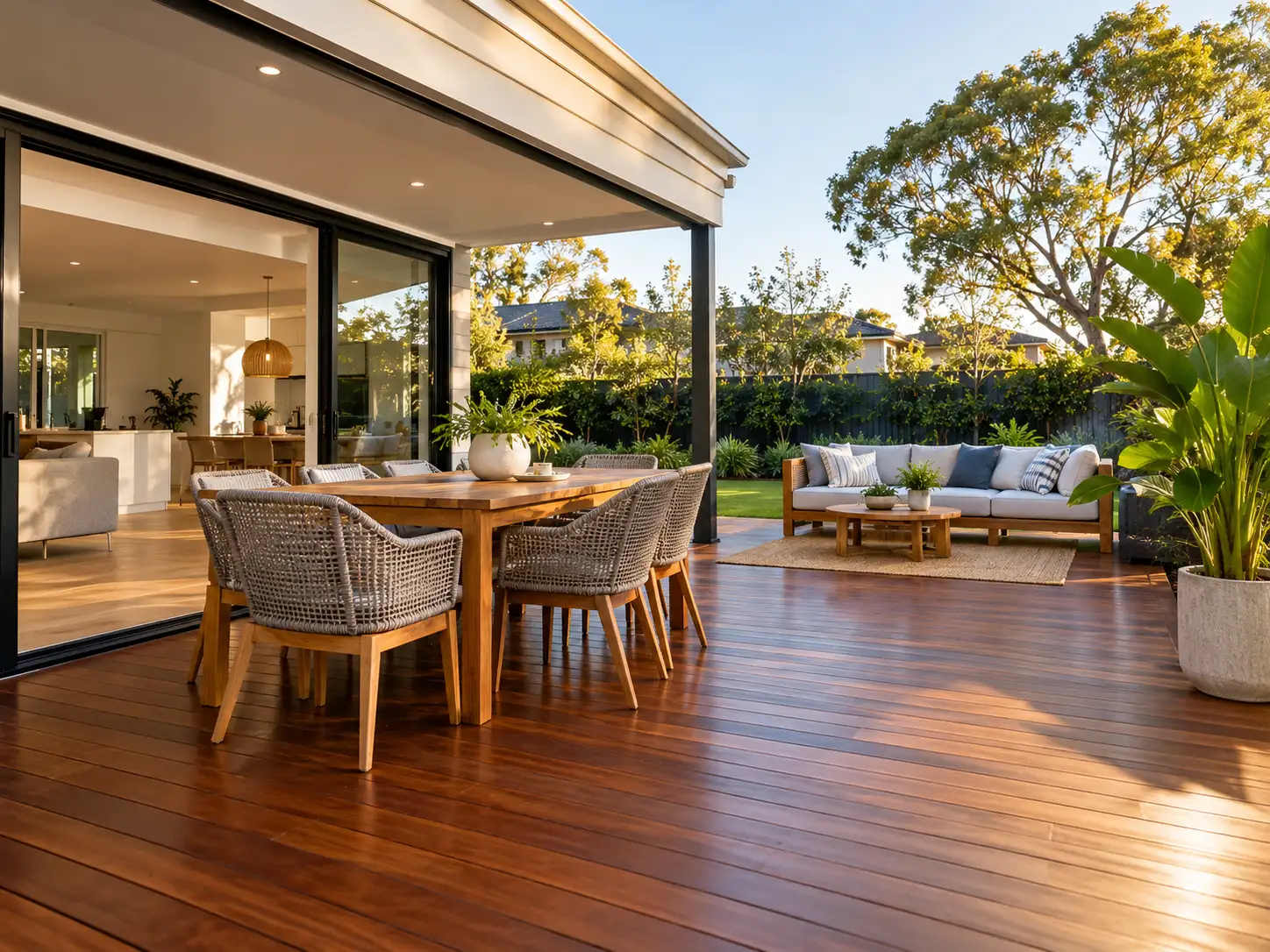
Painting

William
Suppervisor - MJ Pro Painters
Resurfacing, restoring or starting fresh - a practical guide for Sydney homeowners who want a safe, great-looking deck without wasting money.
A well-built deck is one of the hardest-working parts of a Sydney home. It takes the sun, the rain, the salt air and everything your family throws at it - and it quietly gives your property one of its biggest curb-appeal lifts for the money. So when it starts to look tired, the first question every homeowner asks is the same: can I repair it, or do I need to replace it?
Getting that decision right saves you thousands. Get it wrong and you either sink money into a deck that was already past saving, or tear down a structure that only needed a fresh surface. This guide walks you through how to tell the difference.
On the surface, this feels like a cosmetic question. It isn't. A deck is a structure, and underneath the boards there is a frame, joists, posts and fasteners doing all the load-bearing work. When those are sound, the surface is a simple, affordable fix. When they aren't, a beautiful new surface is just a fresh coat of paint over a problem - and it will fail again, usually sooner than you'd like.
Think of it like a car with a gleaming body on a failing engine. No matter how good it looks, the mileage you get out of it is limited. The same logic applies to a deck with hidden structural issues beneath new boards.
This is the single most important thing to understand: what you can see is rarely the whole story. Timber decking absorbs moisture. Over time that moisture causes rot, decay and swelling - and it often starts in the places you never look: the tops of the joists, the ends of the boards, the base of the posts. By the time it shows up as a soft board or a spongy step, the problem has usually been working underneath for years. Ageing decks also develop loose connections, rusted screws, failing brackets and unstable railings. Retaining or recoating a deck in that condition can make it look better for a season, but it cannot restore the structural integrity underneath.
If you are dealing with water damage or rot in a deck or around the home, it is worth understanding what proper water damage restoration involves before you commit to a surface-only fix.

A single repair always looks cheaper than a replacement - that part is true. What catches homeowners out is that deck problems rarely stay single. The pattern usually goes like this: replace a few boards, then a railing, then more boards, then the surface again. Each visit feels small and sensible on its own, but over several years the total can quietly exceed the cost of one well-planned job - and at the end of it you still have a decade-old frame carrying the risk.
The trap is treating the symptoms instead of the cause. If repairs keep coming back to the same area, the frame underneath is almost certainly the real issue - and that is the point at which a planned replacement starts to make far more financial sense.
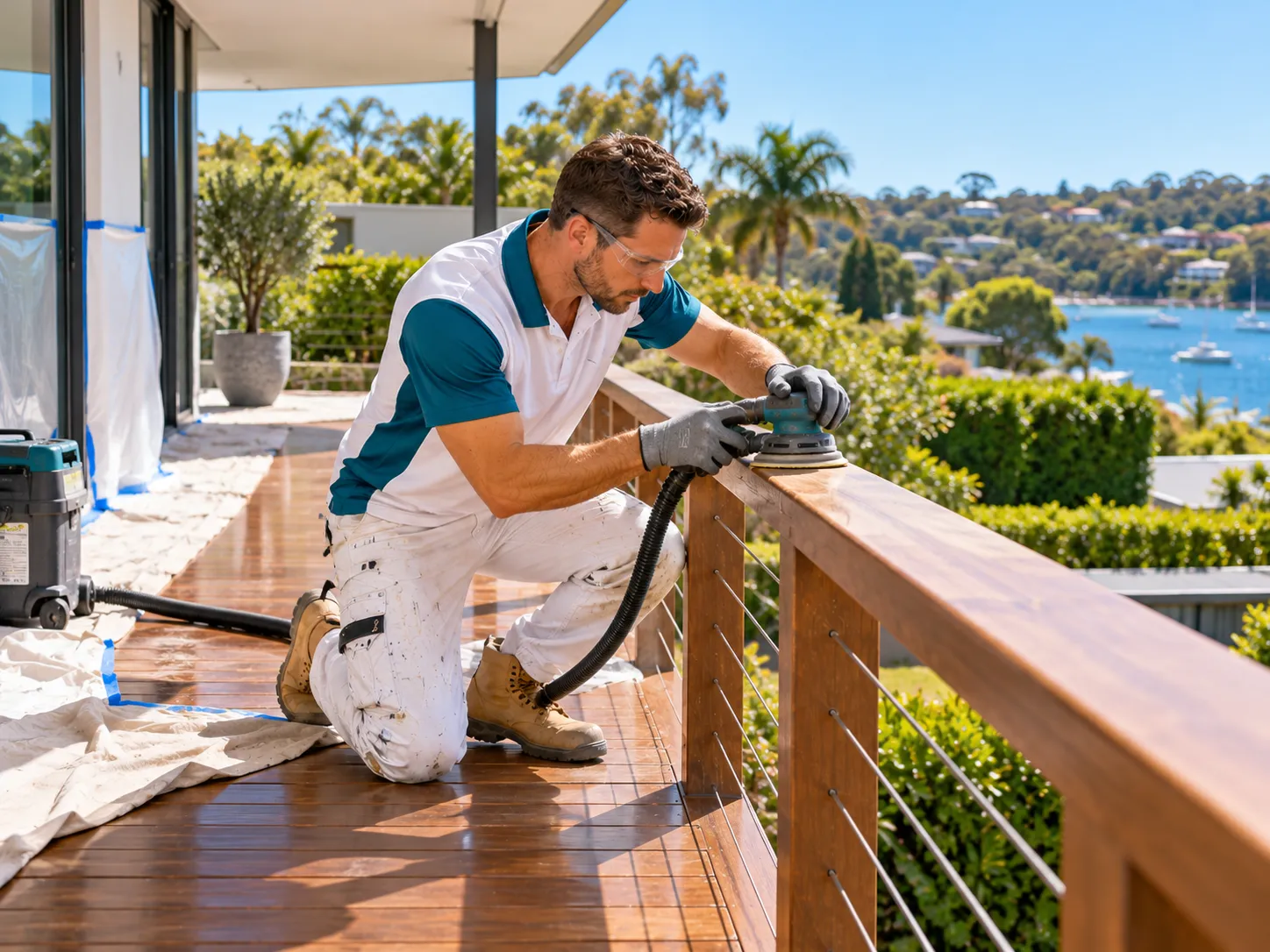
Here is the flip side, and it is important: you do not need to replace a deck just because it looks worn. If the frame, joists, posts and fixings are all in good condition - no rot, no movement, no soft spots - then the far cheaper and faster option is to bring the surface back to life. That can mean:
A properly prepared and coated timber deck can look close to new, and the protection buys you years before the next cycle. This is the work our deck restoration Sydney team does every week, and it is almost always the first option worth pricing.
The key word is prepared. Restaining over a deck that hasn't been cleaned, sanded and correctly prepped is a waste of money - the coating fails early and you're back where you started. If you want the protective finish to actually last, timber staining Sydney done properly is what makes the difference.
Resurfacing is the middle ground. This means replacing the boards (or overlaying a new surface) while keeping the existing frame. It works brilliantly when the frame is genuinely sound - and it's a waste of money when it isn't. The frame inspection is what decides it.
Replacement is the right call when the problem is structural or widespread. That means:
In any of those cases, a brand-new deck installed correctly gives you a safe, durable, long-term asset rather than another round of repairs - and it is the responsible choice if children, older family members or regular guests use the space.
Materials and standards move on. A deck built ten or more years ago may not meet today's expectations for load capacity, railing height, stair and balustrade spacing, and fixing detail. Add out-of-date design and tired materials to the list and, in some cases, a replacement solves two problems at once: it makes the deck safer and smarter looking. If you're unsure whether your deck meets current requirements, have it assessed by someone who inspects decks professionally - it's a quick check that protects you from a much bigger problem later.

Whichever route you take, the payoff is more than aesthetics:
Run through this list on your own deck. Two or more of these and it's worth a professional inspection - not just a quote for a coat of stain:
If you spot these, book an inspection so the structure can be checked, not just the surface.
Whether the answer is restoration or replacement, the quality of the job comes down to preparation and inspection:
A yearly pressure cleaning Sydney service keeps salt and grime off, lets you catch problems early, and is the cheapest way to add years to a deck's life.


1
1
1
1
1
1
1
1
1
1
1
© 2025 MJ Pro Painters - All Rights Reserved
Socials


